Monthly Archives: December 2021

Art & Word: A Creative Dialogue

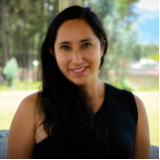
picture of Ruth Tobar

Since 2016, CECE Ecuador has been looking for ways of intentionally promoting spaces and processes to create a dialogue between faith and art. These spaces have happened at national camps, Student Formación events and as an integral part of the Bible study resources that are used every semester on campus. The main goal is to establish a dialogue between a passage of Scripture and visual art, so that God’s Word becomes more real and changes students’ lives. This can happen by creating their own art as a response to the text or reflecting on someone else’s work of art. We noticed that it was important, and that many students needed this dialogue and to incorporate faith and art into their lives. We also realised that, for some people, visual elements are key when they engage with Scripture, as well as reading the text out loud.

We also aim to offer training in art and faith, to reflect God’s character as Creator and to place our art in God’s great story and the reconciliation of all of creation.

During the pandemic we organised several workshops and presented an online exhibition created by students, on a dialogue with Deuteronomy. Other workshops that we organised included themes such as the art of creating, artist’s vocation, justice and art, and a celebration of Advent by integrating elements of art and liturgy.

We also want to pique people’s curiosity and encourage conversations with students who are not Christians. We want to use art to create spaces where you can engage with the gospel, not only by hearing but also seeing. It has been great to see artists of different abilities taking part in this dialogue, and to see the impact it has had on their lives as a result of the dialogue between Scripture and their art.

Here are two examples of visual art created as a dialogue between two passages of Scripture in Acts and Deuteronomy. We are also giving you the link to our website (in Spanish), where you can learn more about this creative process with a theological approach, from the point of view of university students.

Artist: Kerly Cando

Title: La Verdadera Iglesia (The True Church)

Bible passage in the dialogue: Acts 10, during CECE’s National Camp in March 2021

Link: here
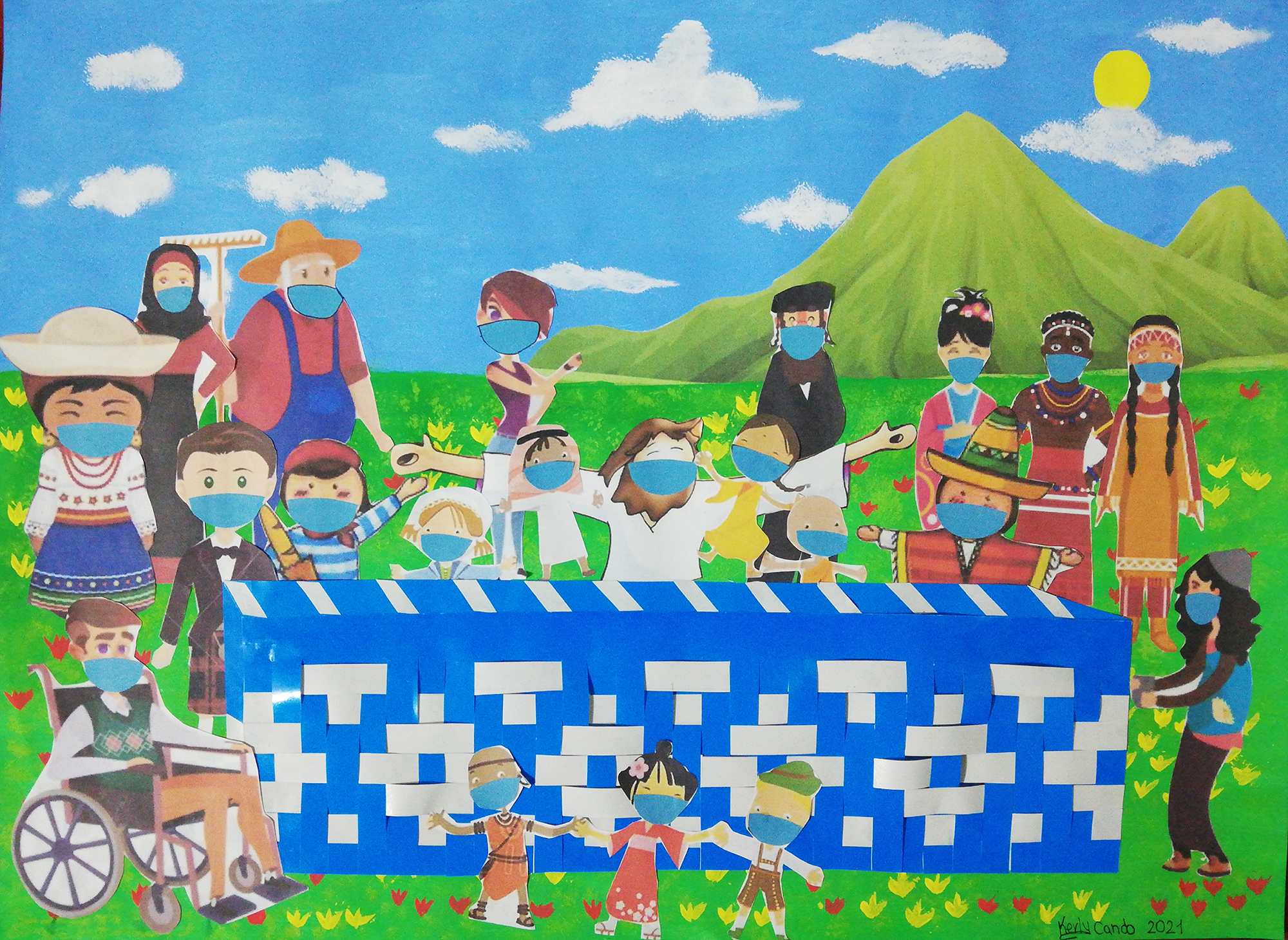
Artwork made by the students, presenting Jesus at the table with many people dressed in local cultural costumes, with children, and a person in a wheelchair

Artist: Juan Esteban Vásquez

Title: Tierra de Todos (Everyone’s Land)

Bible passage in the dialogue: Deuteronomy 23, after the Student Formación Event in September 2020

Link: here

Image with a black background, with points of light drawing: a starry sky, the silhouette of a woman, on the left some things thrown away, on the ground, and on the right the image of the interior of a temple

Ruth Tobar, Pastoral staff worker and member of the CECE Faith & Art Dialogue Team.
Refocusing through retreats

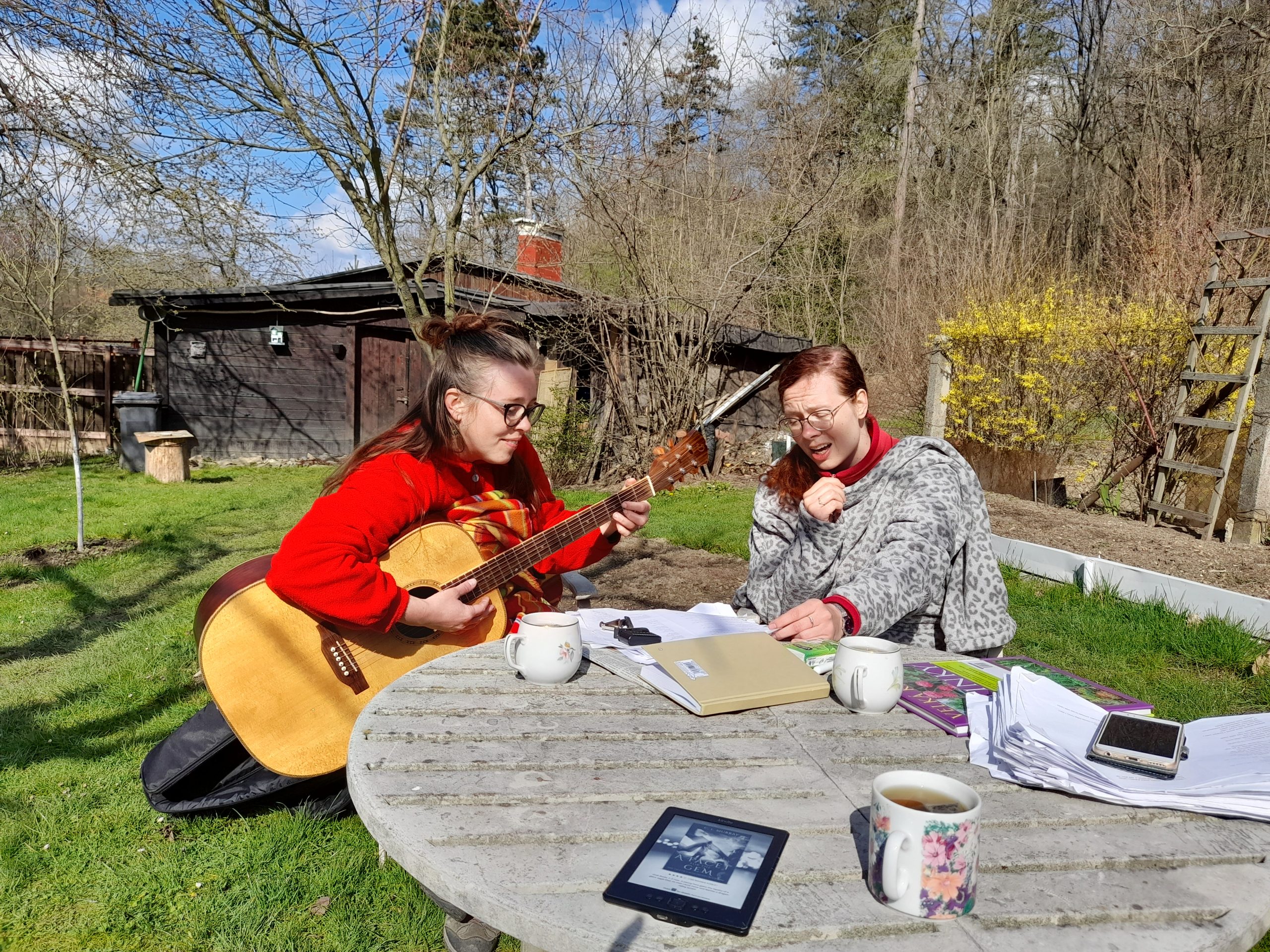
Two women staff workers in a pleasant environment, outdoors, with a guitar, singing, and with books on a table beside.

At the beginning of summer 2019 I had an opportunity to be part of the IFES European staff retreat. The timing was perfect for me, as I had started my three-month sabbatical around the same time. The retreat helped me walk into the sabbatical with a focus on Jesus, and already in a period of reflection on the previous few months.

Scripture Engagement has been really helpful to me in helping me learn new things. The retreat felt like a very safe space to reflect and engage, and as a learner at heart, I found numerous aspects of the retreat fascinating. Probably the most impactful thing for me was the balance of spending time in solitude with God, and with others in community. It was a healthy combination of meditating on the Word, prayer, and learning together.

After having this privilege, I wanted to share it with others. This kind of retreat was pivotal in my understanding of rest and reflection, so I decided to invite a friend of mine, who also works in ministry, to join me on our own four-day retreat in the Czech countryside. It has now become a tradition for us, and we have both since then introduced some other friends to retreats as well.

The crucial combination of solitude and community I experienced at the IFES European staff retreat was exactly what we wanted to recreate on our Czech retreats. Our pattern has been that after some discussion and prayers, we decide on a topic. Some of the topics we’ve had on our retreats include ‘Prayer’, ‘From mourning to dancing’, ‘Knowing I am loved’, and ‘Resilience in times of crisis’, among others. We always start our days with a Lectio Divina spent in a solitude time, then we share about our experience in scripture. Afternoons tend to be spent in some reflection (timeline, topical reflection), hikes or some manual labour.

These retreats have quickly become my preferred method of rest and vacation. It helps me with spiritual disciplines in my life, gives me more clarity about God‘s story in my life, and deepens my relationships with those who spend time on retreats with me. My friend Ráchel once said that she can‘t think of a better vacation as a ministry worker. I agree with her. I believe that as a ministry worker, I am at risk of spending my time with God only for the purpose of succeeding in said ministry, of slipping into business talk with God, rather than a deep relationship. I am at risk of going about my ministry by doing, rather than being. Retreats like these help me not to fall victim to these risks, but walk with God and carry out my ministry more meaningfully.

Eva Petržilková, UKH (IFES Czech Republic) staff worker